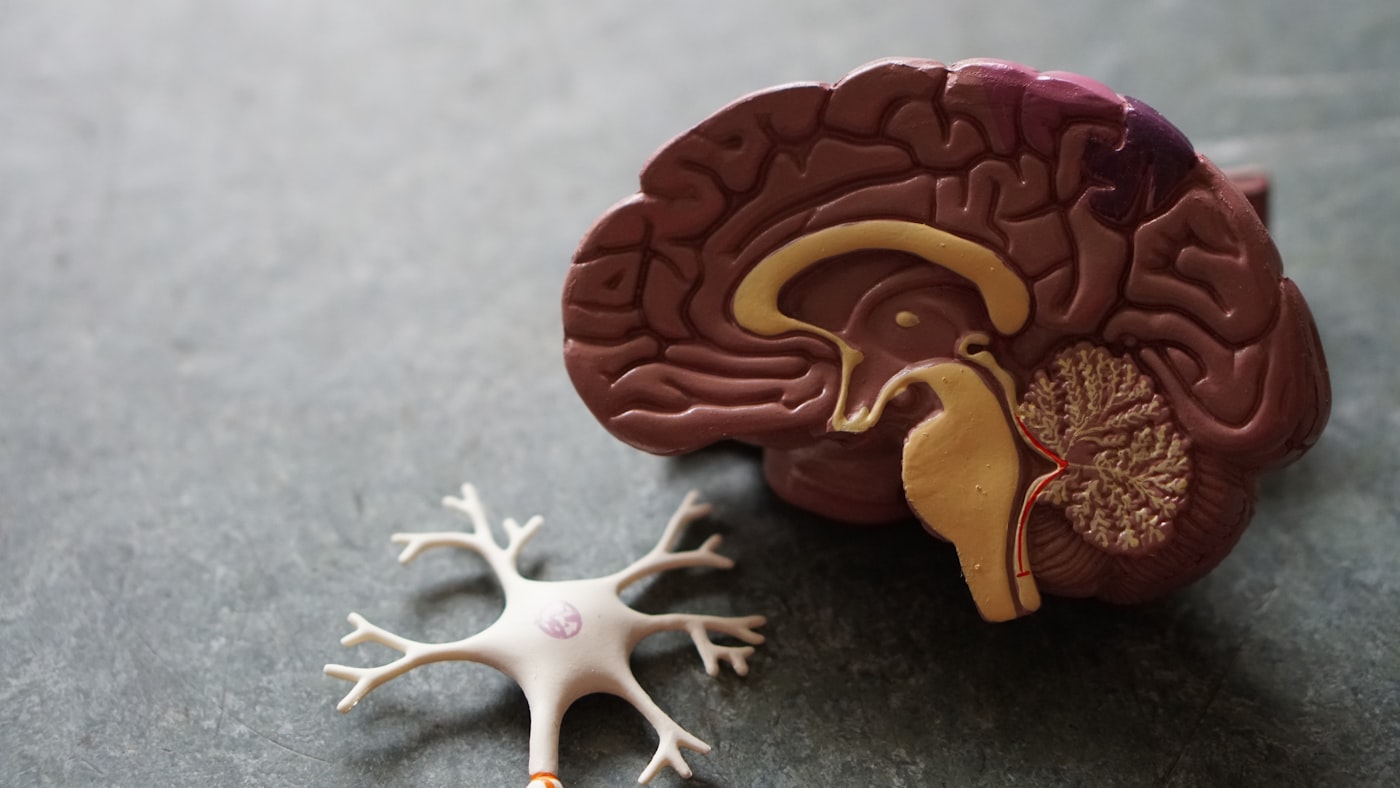
High blood pressure affects nearly half of all adults worldwide and is the leading modifiable risk factor for heart disease and stroke. While medication is often necessary, the American Heart Association now recognises meditation as a complementary approach that may help lower blood pressure naturally.
Here's what the research actually shows — and how to use meditation effectively for cardiovascular health.
What the Research Shows
American Heart Association Statement
In a landmark scientific statement, the American Heart Association reviewed extensive evidence and concluded that Transcendental Meditation (TM) may be considered in clinical practice for lowering blood pressure. This was the first time the AHA endorsed any form of meditation for cardiovascular outcomes. The statement noted average reductions of approximately 5 mmHg systolic and 3 mmHg diastolic blood pressure.
Harvard Medical School Research
Researchers at Harvard found that a relaxation response-based meditation program lowered blood pressure significantly in patients with hypertension. After 8 weeks, some participants were able to reduce their blood pressure medication under medical supervision. The study attributed the effects to reduced sympathetic nervous system activation and lower stress hormones.
NIH-Funded Meta-Analysis
A meta-analysis funded by the National Institutes of Health reviewed 12 clinical trials involving over 1,000 participants. The pooled data showed that meditation reduced systolic blood pressure by an average of 4.7 mmHg and diastolic pressure by 3.2 mmHg. While modest, these reductions translate to a 15-20% reduced risk of cardiovascular events at a population level.
Transcendental Meditation Studies
TM has the most robust evidence base for blood pressure reduction. A study following African American adults with hypertension over 5 years found that those practising TM had a 48% reduction in heart attack, stroke, and death compared to the control group. While this finding needs replication, it suggests long-term cardiovascular benefits beyond blood pressure alone.
Mindfulness-Based Studies
Mindfulness-Based Stress Reduction (MBSR) programs have also shown positive results. A randomised controlled trial found that 8 weeks of MBSR lowered 24-hour ambulatory blood pressure — considered the most reliable measurement — by an average of 5.7 mmHg systolic.
Featured Mindful.org Official Online Courses & Training
Deepen your daily mindfulness and meditation practice with certified online courses led by world-renowned teachers at Mindful.org:


Official Mindful.org Partner · Self-Paced Online Training
Try Our Free 30-Second Emergency Sigh
The fastest science-backed way to lower heart rate: double inhale through nose, long exhale through mouth. Runs 100% privately in your browser with zero sign-up.
Open 30-Second Emergency Sigh →How Meditation Lowers Blood Pressure
Stress Hormone Reduction
Chronic stress drives cortisol and adrenaline production, which constrict blood vessels and elevate heart rate. Meditation directly counters this by activating the parasympathetic nervous system — your body's "rest and digest" mode. Regular practice reduces baseline cortisol levels by 15-25% according to multiple studies.
Reduced Sympathetic Activation
The sympathetic nervous system maintains vascular tone — the tension in your blood vessels. Meditation reduces sympathetic nervous system activity, allowing blood vessels to relax and dilate. This effect is measurable within a single session and becomes more pronounced with regular practice.
Improved Nitric Oxide Production
Research suggests that the relaxation response triggered by meditation increases nitric oxide production — a molecule that dilates blood vessels and improves blood flow. This is the same mechanism targeted by some blood pressure medications.
Better Sleep Quality
Poor sleep is a major contributor to hypertension. Meditation significantly improves sleep quality, which in turn supports healthy blood pressure. See our guide to meditation for sleep for specific techniques.
Best Meditation Techniques for Blood Pressure
1. Transcendental Meditation (TM)
Evidence level: Strongest for blood pressure
TM uses a personalised mantra repeated silently for 20 minutes, twice daily. It's the most studied meditation form for cardiovascular health. The downside: TM requires instruction from a certified teacher and costs around $980 for the course. However, the evidence quality is high.
2. Mindful Breathing (Free Alternative)
Evidence level: Strong
Focus on slow, deep breathing at approximately 6 breaths per minute. This specific rhythm maximises heart rate variability (HRV) and vagal tone. Research shows this breathing rate produces the optimal blood pressure response. Practice for 15-20 minutes daily — many of the benefits of TM at no cost.
3. Body Scan Meditation
Evidence level: Moderate
Systematically relax each body region from toes to head. The progressive relaxation reduces muscle tension and sympathetic activation throughout the body. Particularly useful for people whose blood pressure is driven by chronic physical tension.
4. Loving-Kindness Meditation
Evidence level: Moderate
Direct feelings of warmth and compassion toward yourself and others. Research shows this technique reduces anger and hostility — emotional states strongly linked to hypertension. A study found that 6 weeks of loving-kindness meditation reduced blood pressure in people with high hostility scores.
5. Yoga-Based Meditation
Evidence level: Strong
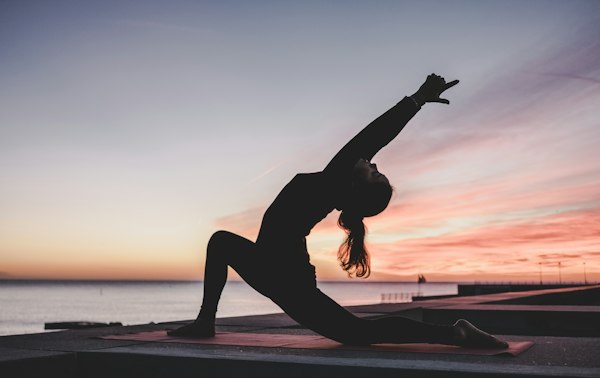
Combining gentle yoga poses with meditation produces additive blood pressure benefits. The physical component improves arterial flexibility while the meditation component reduces nervous system activation. Studies show yoga-meditation combinations produce larger blood pressure reductions than either alone.
Recommended Daily Routine
| Time | Practice | Duration | Focus |
|---|---|---|---|
| Morning | Mindful breathing (6 breaths/min) | 15 minutes | Set parasympathetic tone for the day |
| Midday | Brief breathing exercise | 5 minutes | Reset stress levels |
| Evening | Body scan or yoga nidra | 15-20 minutes | Release accumulated tension |
Important: Consistency matters more than duration. Research shows daily practice of even 10 minutes produces better outcomes than occasional 45-minute sessions. It takes 4-8 weeks of daily practice before blood pressure changes become clinically meaningful.
Insight Timer: Free Blood Pressure Meditations
Insight Timer offers thousands of free guided meditations, including programmes specifically designed for heart health and blood pressure.
Try Insight Timer Free →Affiliate link — we earn a commission at no extra cost to you
Best Apps for Blood Pressure Meditation
| App | Heart Health Features | Price | |
|---|---|---|---|
| Insight Timer | Free guided heart meditations, timer | Free | Try Free → |
| Headspace | Stress reduction courses, daily calm | $69.99/yr | Try Free → |
| Calm | Breathing exercises, Daily Calm | $69.99/yr | Try Free → |
Take Our Free Anxiety & Wellness Self-Assessment
Check your stress levels and get matched to the right relaxation exercises for your mood.
Start Free Assessment →Frequently Asked Questions
Can I stop my blood pressure medication if I meditate?
Never stop or reduce medication without consulting your doctor. Meditation is a complement to medical treatment, not a replacement. Some patients may eventually reduce medication under medical supervision, but this is a decision for your healthcare provider.
How much can meditation lower blood pressure?
Research shows average reductions of 5-10 mmHg systolic and 3-5 mmHg diastolic. Individual results vary. While these reductions are modest compared to medication, they are clinically significant and comparable to the effects of reducing dietary sodium or losing 5-10 pounds.
Which type of meditation is best for blood pressure?
Transcendental Meditation has the strongest evidence, followed by slow-breathing techniques at 6 breaths per minute. However, the best meditation is one you'll actually do consistently. Any form of regular meditation practice is likely to provide benefit.
How long before I see results?
Acute effects (temporary blood pressure reduction) occur within a single session. Lasting changes to resting blood pressure typically emerge after 4-8 weeks of consistent daily practice of 15+ minutes.
Related Articles

Sources & References
- [1] Circulation (American Heart Association) — Beyond Medications and Diet: Alternative Approaches to Lowering Blood Pressure (Scientific Statement)
- [2] JAMA Internal Medicine / PubMed — Meditation Programs for Psychological Stress and Well-being: Systematic Review & Meta-Analysis
- [3] PLOS ONE / Harvard Medical School — Genomic Counter-Stress Changes Induced by the Relaxation Response
For general information only, not a substitute for professional medical care. In a crisis or severe symptom onset, consult a qualified healthcare provider immediately.