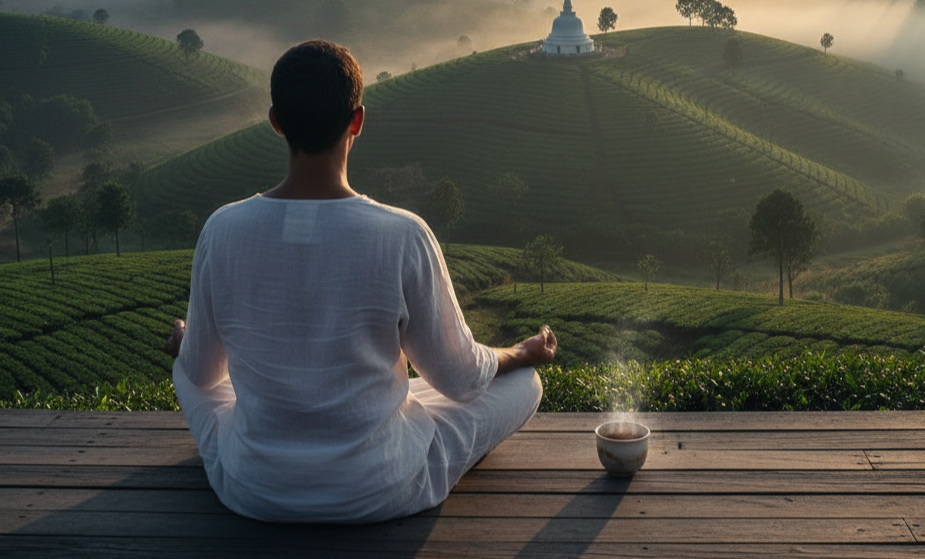
The meditation travel industry is booming — and most of it is overpriced, Westernised, and disconnected from any genuine tradition. Bali sells $300/night 'yoga retreats' with infinity pools. Thailand packages meditation with full-moon parties. India offers ashram experiences clouded by aggressive commercialisation.
Sri Lanka offers something different: authentic Buddhist meditation in the tradition that has preserved it longest, in one of the world's most beautiful and affordable countries, with retreat centres that charge nothing or next to nothing.
The Case for Sri Lanka
1. Authentic Tradition
Sri Lanka's Theravada Buddhism is the oldest continuously practised Buddhist tradition in the world — 2,300+ years. When you meditate in Sri Lanka, you're not learning a modern interpretation. You're learning from a lineage that connects directly to the Buddha's original teachings. The meditation instructions come from the Pali Canon, taught by monks who have dedicated their lives to practice.
2. Free or Nearly Free Retreats
Most Sri Lankan meditation centres operate on the dana (donation) system. You pay what you can — or nothing at all. This isn't a promotional offer; it's a 2,300-year-old principle that spiritual teachings should be freely available. Try finding that in Ubud or Koh Samui.
3. Stunning Natural Beauty
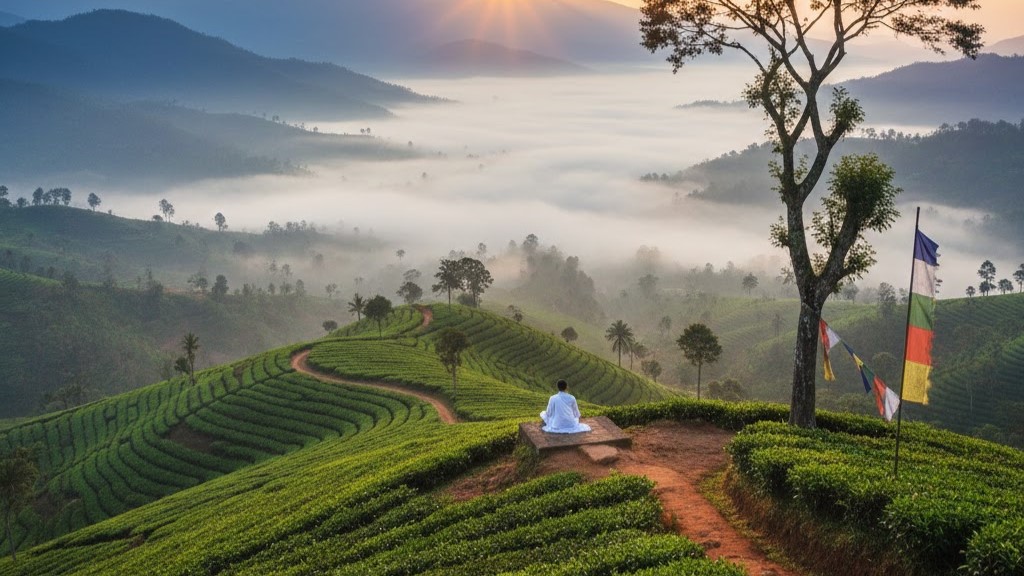
Sri Lanka packs extraordinary diversity into a small island: tropical beaches, misty hill country, ancient forests, and UNESCO World Heritage sites. A meditation holiday can combine practice with exploring ancient cities (Anuradhapura, Polonnaruwa), hiking in tea country (Ella, Nuwara Eliya), wildlife (Yala, Udawalawe), and some of Asia's best beaches (Unawatuna, Mirissa).
4. Affordability
Sri Lanka is significantly cheaper than Bali, Thailand, or India's popular meditation destinations. A comfortable guesthouse costs £15-30/night. A meal at a local restaurant costs £2-5. A tuk-tuk ride across town costs £1-2. You can spend a month in Sri Lanka for what a week costs in Bali.
5. Safety and Warmth
Sri Lanka is one of the safest countries in South Asia for solo travellers. The culture is warm and hospitable — Sri Lankans genuinely enjoy helping visitors. English is widely spoken. The tourism infrastructure is developed enough for comfort but not so developed that it's lost its authenticity.
Suggested Itineraries
7-Day Meditation Focus
Day 1-2: Arrive Colombo, acclimatise, visit Kelaniya Temple. Day 3-7: Nilambe Meditation Centre (Kandy hills) — 5-day retreat. This gives you a genuine retreat experience with English instruction in a beautiful setting.
14-Day Meditation + Culture
Day 1-2: Colombo, Gangaramaya Temple, meditation at Kelaniya. Day 3-5: Anuradhapura — meditate at the Jaya Sri Maha Bodhi, explore ancient ruins. Day 6-7: Sigiriya and Dambulla cave temples. Day 8-12: Nilambe or Kanduboda retreat (5 days). Day 13-14: Kandy, Temple of the Tooth, botanical gardens.
21-Day Deep Practice
Day 1-2: Colombo arrival. Day 3-12: Mitirigala or Kanduboda (10-day retreat). Day 13-15: Kandy cultural break. Day 16-20: Nilambe or hill country meditation. Day 21: Return to Colombo.
Practical Tips
Best time: December-April (dry season). Hill country is pleasant year-round. Avoid April (Sinhalese New Year — centres may close).
Visa: Most nationalities get 30-day visa on arrival or via free ETA.
What to bring: White clothing for temple visits and retreats. Modest clothing covering shoulders and knees. Comfortable loose trousers. Mosquito repellent. A lightweight meditation cushion if you have one (centres provide mats).
Health: No mandatory vaccinations. Tap water is not safe to drink — use bottled or filtered water. Dengue mosquitoes are present — use repellent.
Connectivity: Excellent 4G coverage across the island. Local SIM cards cost approximately £3-5 with generous data. However, at meditation retreats, you won't be using your phone.
Related: Buddhist Meditation Retreats and Vipassana Meditation Guide.
.png)