Meditation vs Medication for Anxiety: What the Research Says
InnerCalmGuide·May 29, 2026·3 min read
It's the question that comes up in every meditation forum, therapy office, and wellness conversation: can meditation replace anxiety medication? The answer is nuanced, and getting it wrong in either direction can cause real harm.
Here's what the research actually says.
What Meditation Can Do for Anxiety
The evidence for meditation as an anxiety intervention is strong. A landmark 2014 meta-analysis in JAMA Internal Medicine found mindfulness meditation programmes showed moderate evidence for reducing anxiety, with effect sizes comparable to what studies have found for antidepressants.
A 2023 study in JAMA Psychiatry directly compared mindfulness-based stress reduction (MBSR) with escitalopram (Lexapro) for anxiety disorders. Both groups showed similar reductions in anxiety symptoms over 8 weeks. This was a randomised controlled trial — the gold standard of evidence.
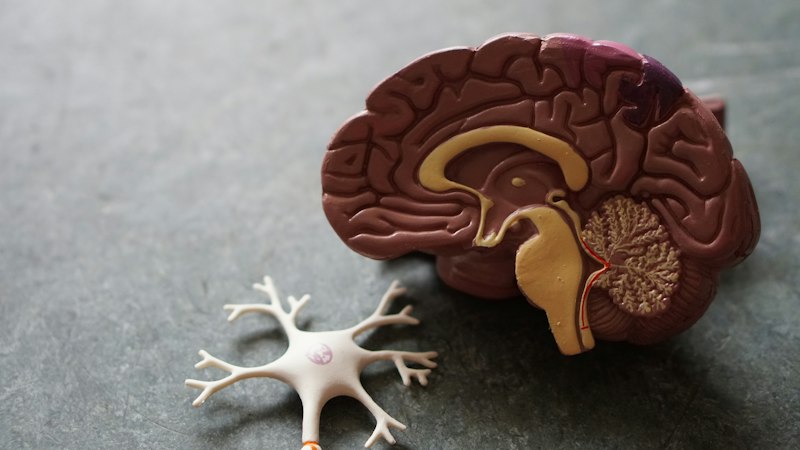
Meditation works on anxiety through several mechanisms: reducing activity in the amygdala (fear centre), strengthening prefrontal cortex regulation, lowering baseline cortisol, and training the ability to observe anxious thoughts without getting swept into them.
What Medication Can Do for Anxiety
Anxiety medication (SSRIs, SNRIs, benzodiazepines) works differently. SSRIs and SNRIs adjust serotonin and norepinephrine levels, changing the brain's chemical baseline. Benzodiazepines act on GABA receptors for rapid relief. These medications have decades of clinical evidence showing effectiveness for anxiety disorders.
Medication's key advantages: it works faster (SSRIs within 2-6 weeks, benzodiazepines within minutes), it doesn't require daily practice or discipline, and it can be effective for severe anxiety where meditation alone may not be sufficient.
When Meditation May Be Enough
For mild-to-moderate anxiety that doesn't significantly impair daily functioning, meditation (specifically MBSR or MBCT programmes) may be a reasonable first-line approach. This is especially true if you prefer non-pharmaceutical options, can commit to regular practice, and want to develop long-term coping skills rather than symptom management.
Signs meditation might be sufficient: your anxiety is situational (work stress, social situations), you can still function in daily life, and you're willing to invest 10-20 minutes daily in practice.
When Medication May Be Necessary
For severe anxiety, panic disorder, or anxiety that significantly impairs your ability to work, maintain relationships, or function daily, medication should be discussed with a healthcare professional. Meditation may not be appropriate as the sole treatment when anxiety is so intense that sitting still triggers panic, when you're unable to function in daily life, when there's co-occurring severe depression, or in crisis situations requiring rapid relief.
The Best Approach: Both
Research increasingly supports combining meditation with medication and/or therapy. Many psychiatrists recommend meditation as a complement to medication, not a replacement. The combination often works better than either alone because medication can reduce symptoms enough to make meditation practice possible, meditation builds long-term coping skills that remain after medication stops, and therapy (especially CBT) provides structured tools that meditation enhances.
Important Caveats
Never stop medication abruptly. If you're currently on anxiety medication and want to try meditation as an alternative, work with your prescribing doctor. Abruptly stopping SSRIs or benzodiazepines can cause serious withdrawal effects.
Meditation isn't zero-risk. A small percentage of people experience increased anxiety during meditation, especially when starting out. If sitting with your thoughts intensifies distress rather than relieving it, that's important information to share with a therapist.
Professional guidance matters. If your anxiety is affecting your quality of life, a mental health professional should be part of the conversation. Online therapy platforms make this accessible and affordable.
The Bottom Line
Meditation is a powerful, evidence-based tool for anxiety — not a magical cure-all. For mild-to-moderate anxiety, it may be sufficient as a primary approach. For moderate-to-severe anxiety, it works best alongside professional treatment. The goal isn't meditation OR medication — it's finding the combination that gives you the best quality of life.